Fragile product
- Preparation discussion
- Protection around edges, movement inside the carton and pack orientation
- Evidence to agree
- Approved sample photographs and finished measurements
KITTING & PACKAGING
Build the finished sellable unit around an approved component list, packing sample and destination plan.
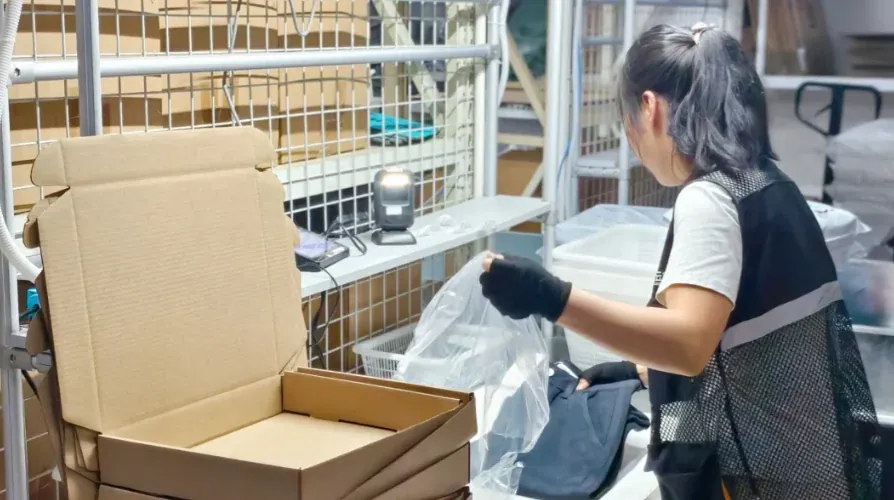
KITTING & BRANDED PACKING
Use this service when components arrive separately, retail packaging needs an agreed arrangement or the finished kit needs its own identity.
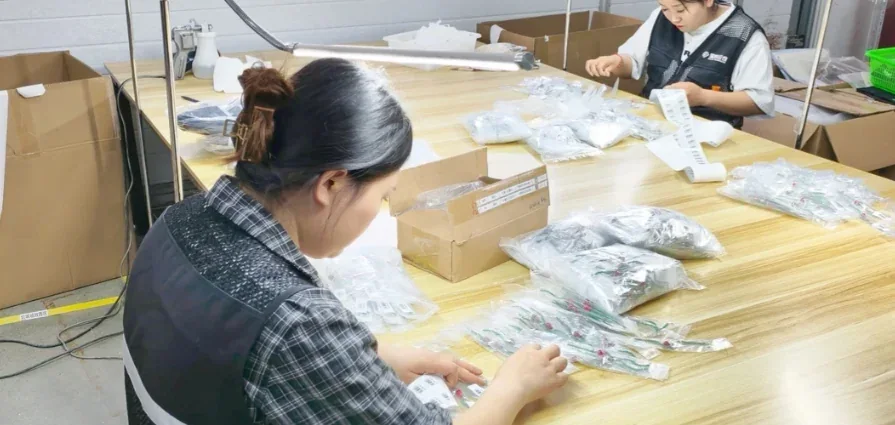
THE HANDOVER RECORD
The sellable set is complete only when every required component, variant and insert matches the approved bill of materials.
Records to include in the agreed scope
Bill of materials and approved packing sample
Completed-kit quantities and unused-component counts
Exceptions, substitutions and their approvals
Finished packed size and weight
THE WORK TO SCOPE
Open a task to see the input, the work and the record to agree. The selected tasks become the written service scope.
THE TRIAL BATCH
Define the sellable unit and channel requirements before choosing stock packaging or a custom design. Bring product dimensions, weight, component quantities and current supplier packing photos.
| Decision | Record to approve |
|---|---|
| Unit or kit | Every component SKU, variant and quantity per set, plus the finished-kit reference |
| Materials & presentation | Protection, inserts, exterior labels, proposed dimensions and who provides each material |
| Sample acceptance | Approved sample or photographs, packing version and any required adjustment |
| Batch instruction | Quantity to process, permitted substitutions and unresolved checks; record completed kits, unused components and held stock separately |
Approve the sample and material scope before applying the arrangement to the batch. If the contents or protection change, review finished dimensions and weights again before transport is agreed.
Illustrative workflow: a set containing a main item and two accessories is incomplete if one accessory is missing. Record the shortage and obtain approval before substitution or dispatch.
A USEFUL FIRST MESSAGE
Share the details you have on WhatsApp or Telegram. Mark anything still undecided so the team can identify the next step.
Your kitting brief
Fragile, liquid and battery products require a specific handling review. Protective packing is not a product certification or transport acceptance guarantee.
Confirm materials, labor, storage, transport, destination charges and the release approval in writing. See the pricing scope for the cost categories.
Keep incomplete components and rework visible.
Explore guide02Match the product, barcode, packaging and shipment plan to the destination platform.
Explore prep03Coordinate air, sea and parcel transport with destination handover requirements.
Explore logisticsYes, as an agreed kit workflow. Provide the bill of materials, component quantities and approved finished-set instructions; missing parts remain visible in the stock record.
Only if testing is explicitly commissioned. Packaging review and visible condition checks have a different scope from functional or regulatory testing.