A kitting service in China turns several separate components into one sellable set before the stock leaves the warehouse. Instead of shipping loose parts and hoping they stay together, a kit is built, approved, and counted as a single product with its own identity. This page covers what kitting and assembly involves, why a kit is more than a bag of parts, and why the combination has to be finalized during the preparation stage rather than after shipping.
What a kitting service in China does
Kitting means gathering the components of a set, assembling them into a finished kit, and packing that kit as one unit. The work can include product kitting and assembly, branded packing for the set, and bundling multiple components into a single shippable product. The general per-unit tasks are on our marketplace prep page; kitting is the step where multiple components become one sellable unit.
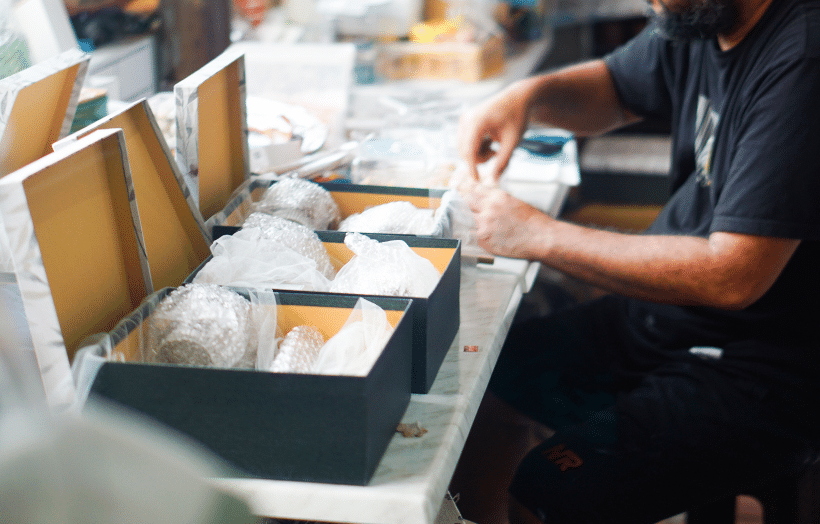
China prep plus assembly, not platform fulfillment
This service is China receiving, prep, and combination. It is not platform-managed fulfillment or order dispatch, which is a different responsibility covered in our prep versus fulfillment comparison. Keeping the two separate means the kit is built and approved in China, then handed to whatever fulfillment or shipping path the channel uses.
A kit has its own identity and BOM
A kit is a finished product with its own reference, not just several items placed together. The bill of materials (BOM) lists every component, and a sample is approved before a run begins. If one component is missing, the kit is not complete, so the sample approval protects against shipping a partial set. The completed count and any unused components are tracked separately.
Counting finished kits and leftover components
Finished kits and unused components are counted apart from each other. A run may produce a certain number of complete kits and leave surplus parts, and both numbers are recorded. Mixing them into one count hides shortages and makes replenishment impossible to plan.
How different product types are kitted
Fragile items, apparel, multi-component sets, and products with liquid or battery content each need a different packing approach. Fragile components get protective spacing, apparel gets folded or hung to spec, multi-component sets get a checked BOM, and liquid or battery items follow the handling and labeling rules for that content. The exception handling for damaged or short components is described in our prep exceptions guide.
Finalize the combination during preparation
Once components are combined, the kit’s size and weight change, and that change flows into freight cost and inbound spec. For that reason the combination is finalized in the preparation stage, not added after shipping. The pricing scope shows how materials, labor, storage and freight are itemized, and the global logistics page covers how the new dimensions affect the shipment. Allocation of a kit across channels is handled in the multi-platform inventory view, and the prep checklist lists what to send before a kitting run.

Frequently asked questions
What is a kitting service in China?
It is a service that gathers components, assembles them into a finished kit, and packs the kit as one sellable unit in a Chinese warehouse. It covers product kitting and assembly, branded packing, and bundling multiple components into a single shippable product.
Is kitting the same as platform fulfillment?
No. Kitting is China receiving, prep and combination of components into one unit. Platform fulfillment and order dispatch are a separate responsibility, so the kit is built and approved in China before it enters any fulfillment or shipping path.
What is a BOM and why approve a sample?
A BOM is the bill of materials listing every component of the kit. A sample is approved before a run so that a missing component is caught before the kit ships. Without approval, a partial set can reach the customer.
How are finished kits and leftover parts counted?
They are counted separately. A run produces a number of complete kits and may leave surplus components, and both totals are recorded so shortages are visible and replenishment can be planned.
Why must the combination be finalized during prep?
Combining components changes the kit’s size and weight, which affects freight cost and the inbound spec. Finalizing the combination in the preparation stage prevents mismatches between the physical kit and the shipment or inbound plan.
How are fragile or liquid items kitted?
Each type uses a different packing approach: fragile items get protective spacing, apparel is folded or hung to spec, and liquid or battery content follows its handling and labeling rules. Multi-component sets are checked against the BOM before sealing.
Preparing a batch?
Get the receiving plan right the first time.
Share the product, destination country and program. We confirm eligibility, pack version and importer role before your supplier ships.