If you sell on Walmart Marketplace and use Walmart Fulfillment Services, the units still have to be prepared and cartonized before they reach a Walmart fulfillment center. A China-based Walmart WFS prep service receives your supplier goods, applies the identifiers Walmart reads, seals and protects each sellable unit, and builds cartons that match an approved inbound order. This page covers what WFS prep in China involves, the three things you must lock down on the China side, and the records that keep a shipment from being rejected at the dock.
What Walmart WFS prep in China covers
WFS prep in China handles the work that happens before a carton is handed to the carrier bound for a Walmart fulfillment center. That means receiving supplier goods, verifying the count and condition, applying the correct unit identifier, protecting and sealing each sellable unit, building cartons to the approved inbound order, and generating the right labels and documents. The general per-unit preparation tasks are covered on our marketplace prep page; this page focuses on the WFS-specific rules.
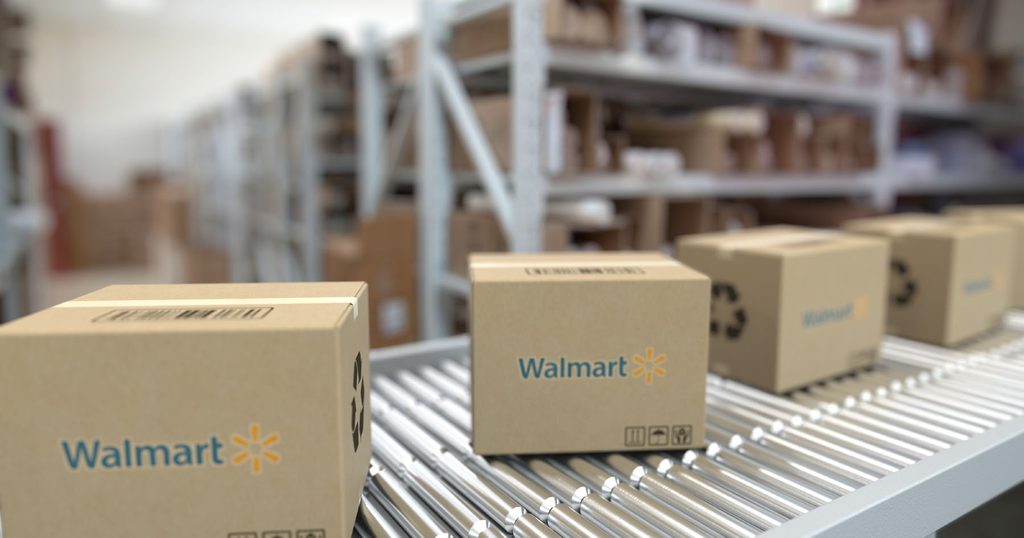
Item identifiers Walmart WFS accepts
WFS item setup expects a UPC or GTIN as the product identifier. An FNSKU, a vendor SKU, or an EAN is not used as the WFS identifier. Applying the wrong code is the single most common reason a unit cannot be received at the fulfillment center. We confirm the accepted identifier per SKU before any labeling begins, and we align barcode work with your channel barcode allocation so each unit carries only the code the destination reads.
Seal and protect the sellable unit
Each sellable unit must be sealed and individually protected, with any required warning information present and scannable. The unit arrives at WFS as a single sellable item, so the pack has to survive transit and still present a clean, readable identifier. Loose components, uncovered warnings, or a damaged seal are all reasons a unit gets set aside rather than received.
Cartons must match the approved inbound order
The carton contents must equal the approved inbound order: correct SKUs, correct quantities, and correct carton labels. The item label that sits on the unit and the shipment label that sits on the carton are two different files and must not be confused. A mismatch between the physical carton and the inbound order is one of the most frequent causes of dock rejection, which is why the carton is built only after the inbound order is approved.
Review and cover old-channel labels
Stock that previously carried another channel’s label, for example an Amazon FNSKU, has to be reviewed first. The old identifier is removed or fully covered so WFS reads only the approved code. This review is part of receiving, not something left for the warehouse to discover after the carton is sealed. Where the history matters, we follow the same logic used in an Amazon stock to WFS label review.
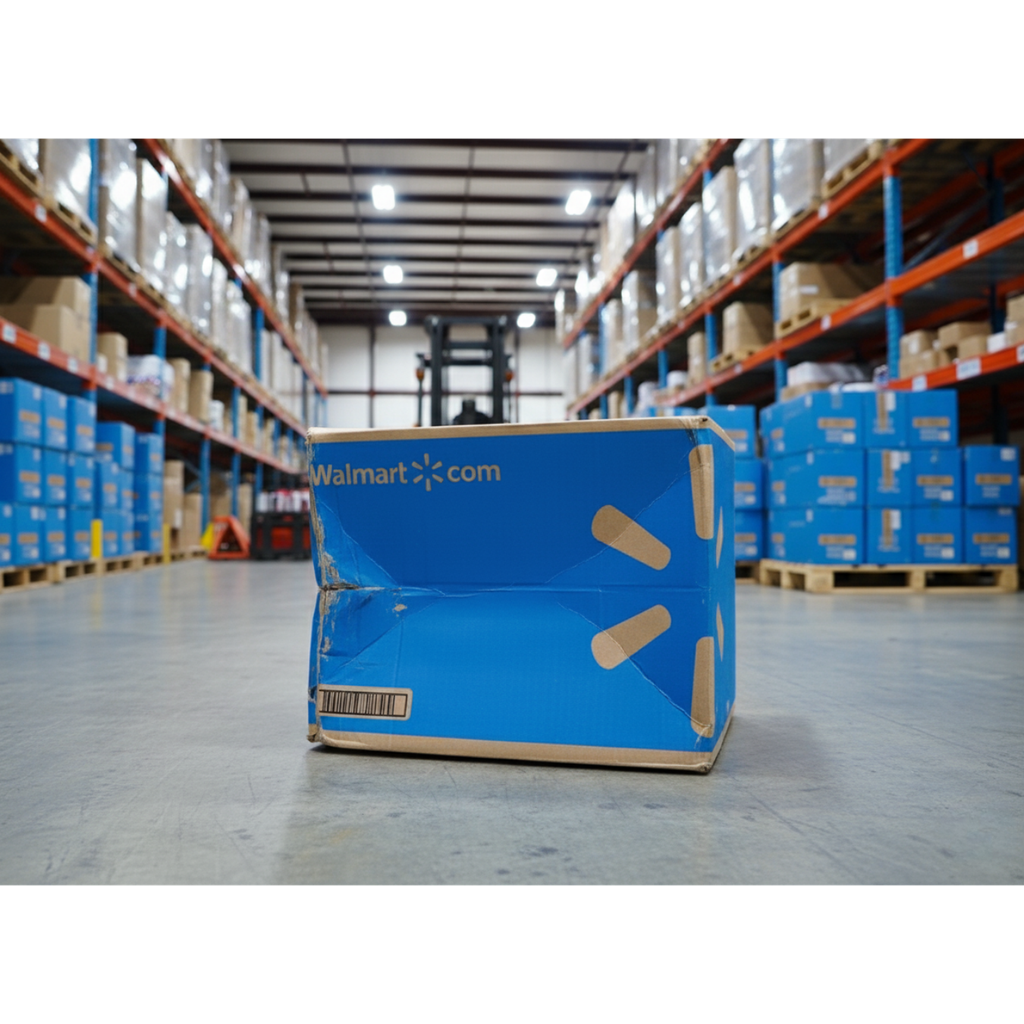
WFS returns and arrival variance
WFS return settings decide whether unsellable stock is replenished or disposed, and arrival variances are compared per SKU across receiving and inbound stages. Knowing these settings before shipping shapes how the China side prepares the batch and what records it keeps. The broader returns workflow is described in our returns playbook.
Preparation approval and what we do not decide
You own the catalog setup and the shipment plan. The prep service only performs the preparation that has been accepted. A preparation approval confirms the batch matched the WFS specification; it is not the same as WFS accepting the inbound. Every batch is released only against an approved inbound plan, and the full set of shipment records stays with the order from receipt to release.
Frequently asked questions
What is Walmart WFS prep in China?
It is the receiving, identifier application, unit protection, carton build and documentation work done in a Chinese warehouse before cartons are shipped to a Walmart fulfillment center. The goal is cartons that match an approved inbound order so WFS can receive the stock without rejection.
What does a Walmart WFS prep service do?
It receives your supplier goods, verifies them, applies the UPC or GTIN that WFS reads, seals and protects each sellable unit, and cartonizes to the approved inbound order. It also reviews old-channel labels and keeps a record at each step from receipt to release.
What are the Walmart WFS fulfillment prep requirements?
WFS requires a readable UPC or GTIN on each unit, a sealed and protected sellable unit with any warning information present, and cartons whose contents exactly match an approved inbound order. The item label and the shipment label are separate files and must not be swapped.
How does Walmart WFS labeling work?
The unit carries the product identifier WFS expects, typically a UPC or GTIN, applied so it stays scannable through transit. The carton carries a separate shipment label tied to the inbound order. Stock with an old-channel label is reviewed and covered before the batch is sealed.
Can stock with an old Amazon FNSKU be sent to WFS?
Only after the old identifier is reviewed and fully removed or covered so WFS reads only the approved code. This is a receiving-step review, not a fix applied after cartonization, because a mixed label risks the unit being unreadable at intake.
What records are kept for a WFS prep batch?
Three records matter: the receiving record (count and condition at intake, including any old-label review), the preparation approval (confirmation the batch matched the WFS spec), and the release record (what left, when, and to which inbound appointment). These let any carton be traced from receipt to release.
Preparing a batch?
Get the receiving plan right the first time.
Share the product, destination country and program. We confirm eligibility, pack version and importer role before your supplier ships.