Running the same inventory across Walmart WFS, TikTok Shop FBT, Allegro, Mercado Libre and your own DTC store means every channel asks for something different: different product identifiers, different packaging, and different inbound paperwork. A multichannel ecommerce prep service in China lets you keep one batch of stock in a single warehouse and prepare it separately for each channel, with a recorded check at every step. This page explains what a China prep center does, the three things that actually change between channels, and the four-step workflow we use to keep each channel's stock fully accounted for.
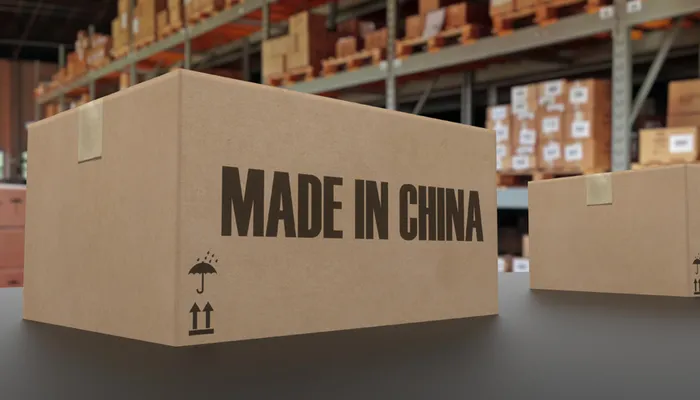
What a China prep center does
A prep center in China receives goods from your suppliers, confirms the count and condition, then prepares units for outbound according to each sales channel's rules. The work follows a simple chain: receive supplier goods, verify quantity and appearance, prepare per channel, release in batches, and keep a record at each stage. Nothing moves to the next stage until the previous record is closed.
The point of holding stock in one place is not to duplicate your replenishment. It is to hold one inventory and run one preparation plan per channel against it. Instead of shipping separate consignments to several different 3PLs and hoping the labels line up, you keep the stock in one location and let each channel's requirements drive a separate preparation pass. The detailed per-unit preparation tasks are covered on our marketplace prep page.
Why one prep plan per channel beats repeated replenishment
Multichannel sellers often solve the "different channels want different things" problem by sending fresh stock to each fulfillment partner. That creates repeat receiving, repeat label work, and five separate inventory counts that rarely agree. A China prep center collapses that into a single receiving event and a single on-hand balance, then branches into per-channel preparation.
The core idea is that you do not need five copies of your inventory. You need one inventory and five preparation specifications. When a marketplace changes its label format or a new channel opens, you adjust the preparation pass for that channel without re-buying or re-receiving stock.
The three variables that differ between channels
Most channel differences come down to three variables. Get these right and the rest of the prep is mechanical.
Product identifiers
Each channel expects a specific identifier on the unit. Some accept UPC or GTIN, others issue their own code such as an FNSKU, and many local marketplaces require a domestic barcode. The identifier is not interchangeable: a code that one platform reads as the product key may be meaningless or conflicting to another. We confirm the accepted identifier per channel before any labeling begins.
Packaging versions
The same product may need a different physical pack per channel. Requirements include multilingual text, local-language warnings, compliance marks, and tamper-evident or sealed units. A pack that satisfies one market's rules can fail another's inspection, so the packaging version is set per destination channel rather than once for the whole batch.
Inbound documents
Every channel has its own inbound paperwork: an approved inbound order, carton or pallet labels, and a delivery appointment. These documents are generated per channel and must match the physical cartons exactly. A mismatch between the carton contents and the inbound order is one of the most common causes of stock being rejected at the warehouse door.

The four-step multichannel prep workflow
We run every batch through four steps. Each step closes with a record that the next step references, so any unit can be traced from receipt to release.
1. Receive
Supplier goods are counted and visually checked against the packing list. The receiving record captures quantities, condition notes, and any shortage or damage. Stock is not allocated to any channel until the receiving record is closed. The full set of records kept at each step is described on the shipment records page.
2. Allocate
The on-hand balance is assigned to channels based on your release plan. Allocation decides how many units of each SKU go to WFS, how many to TikTok Shop FBT, how many to European or Latin American marketplaces, and how many to DTC. Allocation is a planning step, not a physical move, which is why it stays separate from the way we allocate one China SKU across several platforms.
3. Prepare
Each allocated batch is prepared to that channel's specification: identifiers applied, packaging version built, and inbound documents generated. A preparation approval is recorded per batch, confirming the work matched the channel's requirements before anything leaves the prep area.
4. Release
Approved batches are released to carriers against the channel's inbound appointment. The release record captures what left, when, and to which destination. Release happens in batches aligned to each channel's replenishment cadence, not all at once.
How pricing and service tiers work
Prep is priced as separate components so you can see what each step costs: materials, labor, storage, outbound freight, and destination-side fees are itemized rather than bundled into one rate. The exact scope depends on how much of the chain you hand to us. The full breakdown is on our pricing scope page.
How to start
Begin by sending the basics: the SKUs, the channels you sell on, each channel's current preparation requirements, and your expected release rhythm. We run one batch first so the receiving, allocation, preparation and release records are proven end to end. Once that first batch clears, we set up a repeat replenishment cadence where new China stock is received once and released per channel on the schedule your sales velocity needs.
The China stock and repeat replenishment model is built for sellers who restock the same products continuously rather than in one-off shipments. You can also review the marketplace prep checklist to see what information we need before the first batch.
Platform workflows we prepare for
The same four-step workflow applies across every channel we support. The preparation details differ by marketplace, and each has its own operating page under our platforms directory, including Walmart WFS, TikTok Shop FBT, Allegro One, eMAG FBE, Mercado Libre Full, and the European and Latin American marketplaces, plus kitting and protective packaging for multi-component sets.
Frequently asked questions
What does a prep center in China do?
A China prep center receives your supplier goods, verifies the count and condition, then prepares units for outbound by channel: applying the right identifiers, building the correct packaging version, and generating inbound documents. Each stage closes with a recorded check before stock moves on.
What is a multichannel prep service?
It is a service that holds one batch of your inventory and prepares it separately for each sales channel instead of shipping duplicate stock to multiple partners. You keep a single on-hand balance and run one preparation specification per marketplace against it.
How is marketplace prep different for each seller channel?
Each channel specifies its own product identifier, packaging version, and inbound documents. A UPC accepted by one platform may not be read by another, and one market's packaging compliance marks differ from the next, so preparation is set per channel rather than once for the whole batch.
What is ecommerce prep and pack in China?
It is the receive, verify, prepare and pack work done in a Chinese warehouse before goods are shipped to each marketplace's inbound location. The pack stage applies channel-specific identifiers and packaging so the cartons match the destination's inbound order and appointment.
How do you keep one batch of stock from mixing across channels?
Allocation assigns units to specific channels on paper before any physical preparation, and each batch carries its own preparation approval and release record. Because allocation, preparation and release are recorded per channel, a unit can be traced from receipt to the destination inbound appointment.
What records are kept at each prep step?
Three records matter: the receiving record (count and condition at intake), the preparation approval (confirmation the batch matched the channel spec), and the release record (what left, when, and to which destination). These records let any unit be traced from receipt to release.
Preparing a batch?
Get the receiving plan right the first time.
Share the product, destination country and program. We confirm eligibility, pack version and importer role before your supplier ships.